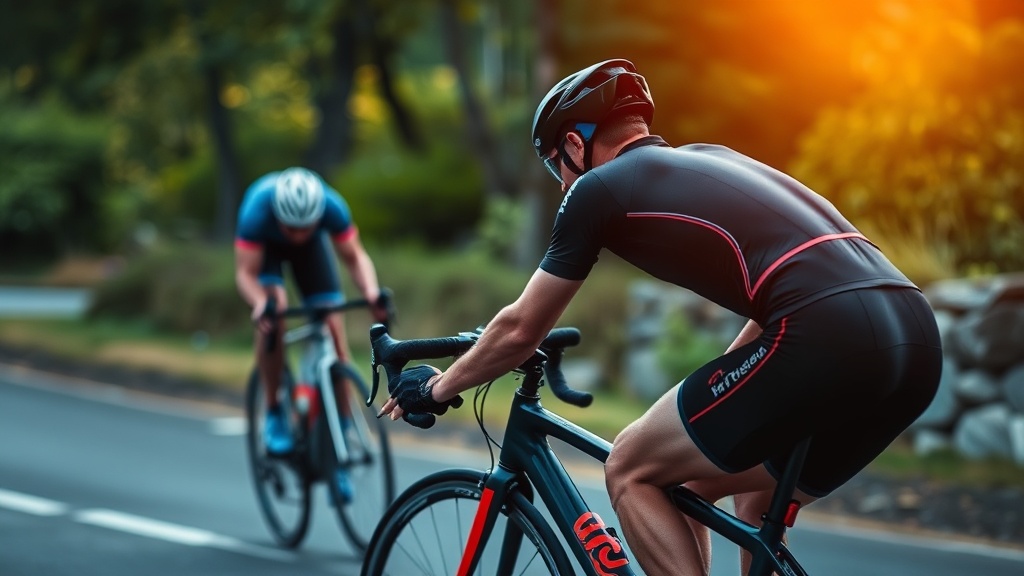
How to Improve Your Road Cycling Performance

Introduction
Improving your road cycling performance involves a combination of proper technique, smart training, and maintaining your physical fitness. Whether you're a competitive racer or a weekend enthusiast, following structured training plans can significantly enhance your riding efficiency, endurance, and power. In this guide, we will walk you through some of the most effective training techniques that can help you get faster, stronger, and more efficient on the road.
1. Structured Training Plans
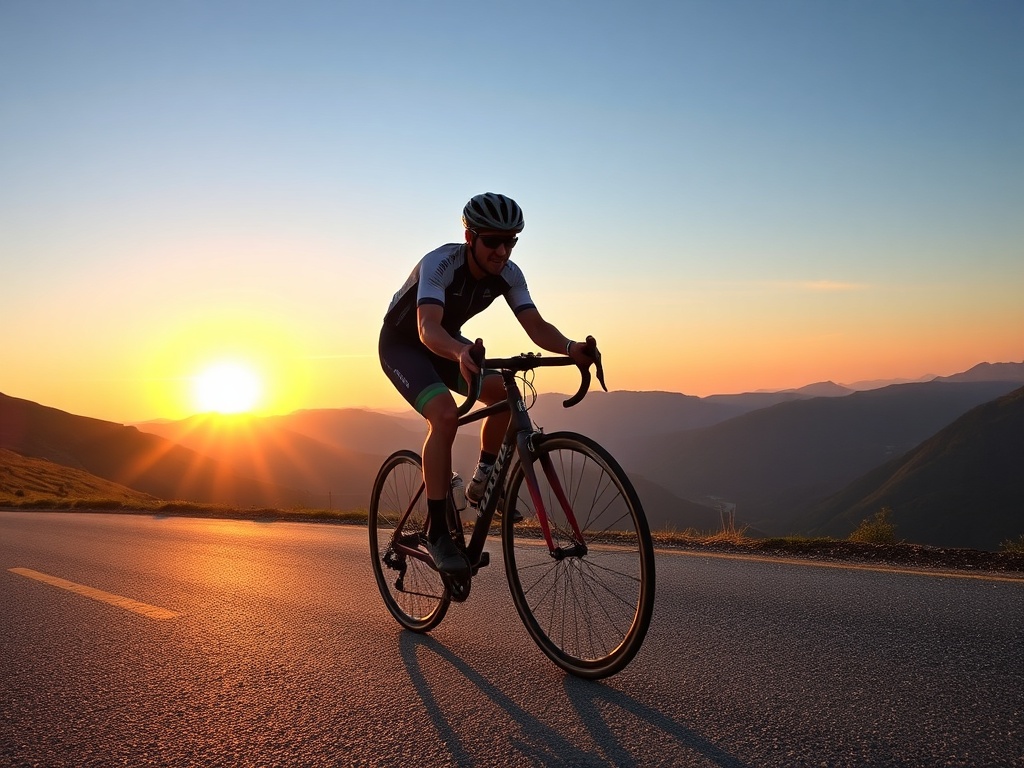
One of the most important elements of improving cycling performance is following a structured training plan. This plan should consist of different phases, each targeting specific fitness goals. A typical cycling training plan includes:
- Base phase: Focuses on building endurance and aerobic capacity.
- Build phase: Increases intensity with interval training and hill repeats to build strength and power.
- Peak phase: Maximizes performance with high-intensity efforts and race simulations.
- Recovery phase: Focuses on rest and allowing your muscles to repair and adapt.
Make sure to follow a periodization model, where each phase is designed to prepare you for the next stage of improvement.
2. Interval Training for Speed and Endurance
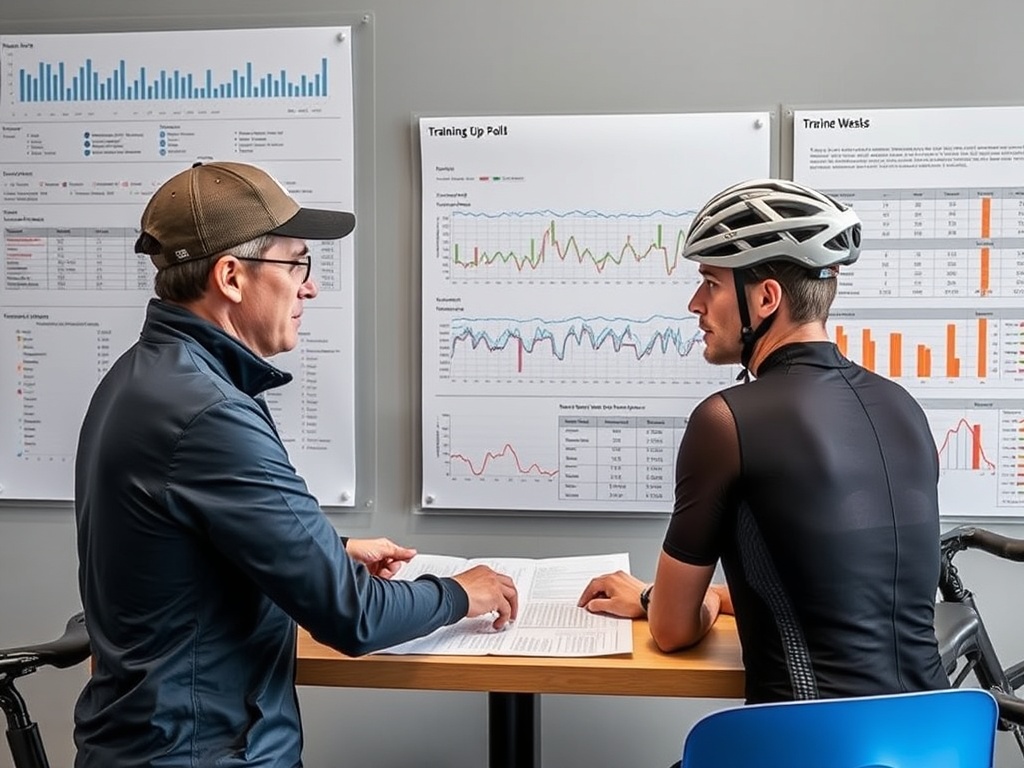
Interval training involves alternating between periods of high-intensity effort and recovery. This method is one of the most effective for improving both speed and endurance. Common intervals include:
- Sprints: 20-30 seconds of maximum effort followed by 2-3 minutes of recovery. These help increase your speed and explosive power.
- Tempo intervals: 10-15 minutes at a challenging but sustainable pace, designed to improve your lactate threshold.
- VO2 max intervals: 3-5 minutes at high intensity, aimed at increasing your aerobic capacity.
By incorporating these intervals into your weekly rides, you can significantly boost your cardiovascular fitness and power output.
3. Strength Training for Cyclists
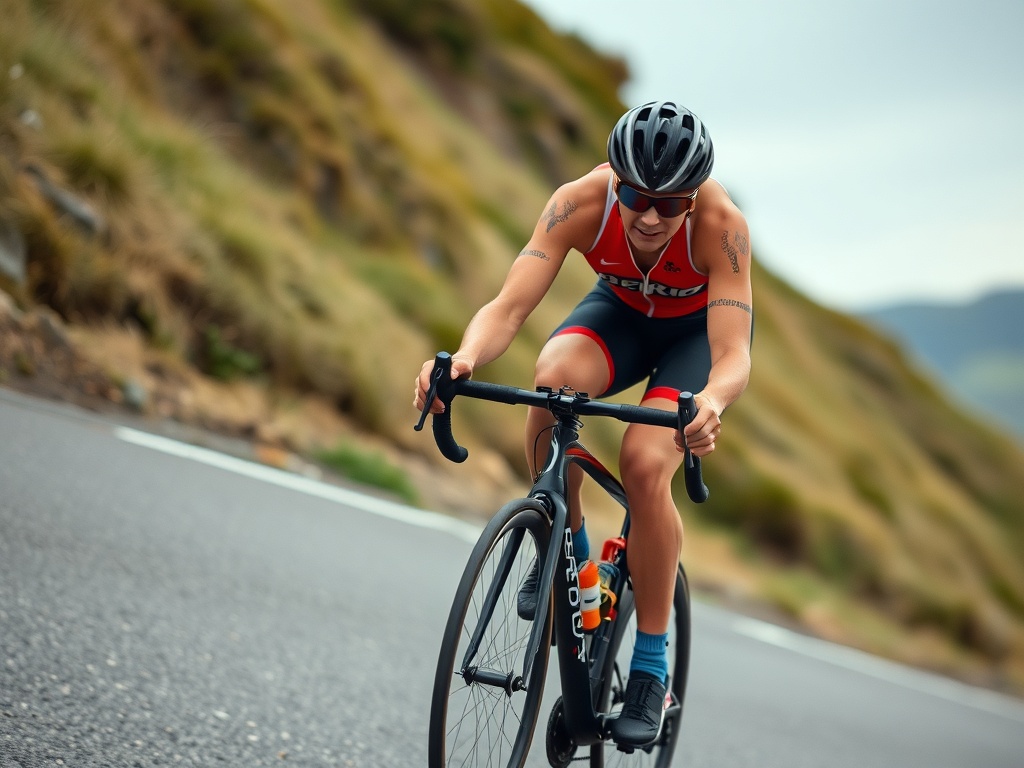
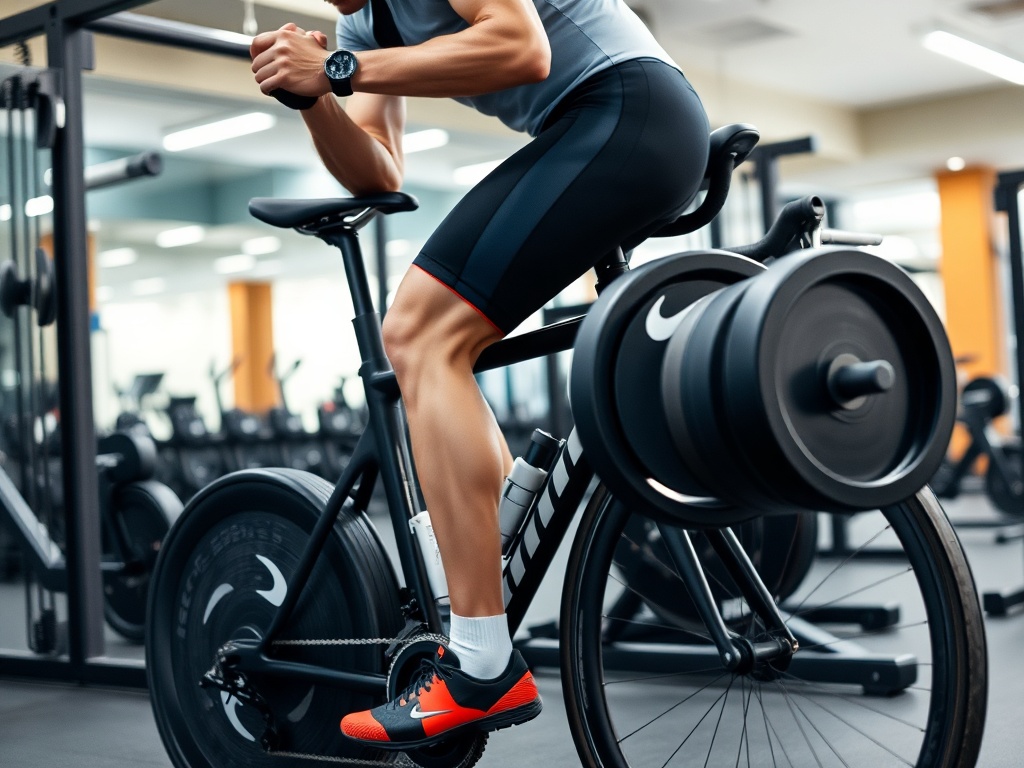
Strength training is essential for cyclists who want to improve their power and endurance. Building strong muscles in your legs, core, and upper body will help you generate more power on the pedals, maintain a stable position on the bike, and reduce the risk of injury. Focus on exercises like:
- Squats: To target your quadriceps, hamstrings, and glutes, which are critical for generating pedal power.
- Lunges: Improve leg strength and stability while mimicking the cycling motion.
- Planks and side planks: Strengthen your core muscles for better bike control and posture.
Incorporating strength training two to three times per week can help you achieve a balanced, powerful physique that will make cycling easier and more efficient.
4. Recovery and Flexibility
While training hard is essential, recovery is equally important. Overtraining can lead to fatigue, burnout, and injury. Make sure to prioritize recovery by following these tips:
- Rest days: Ensure that you take at least one rest day per week to allow your muscles to repair.
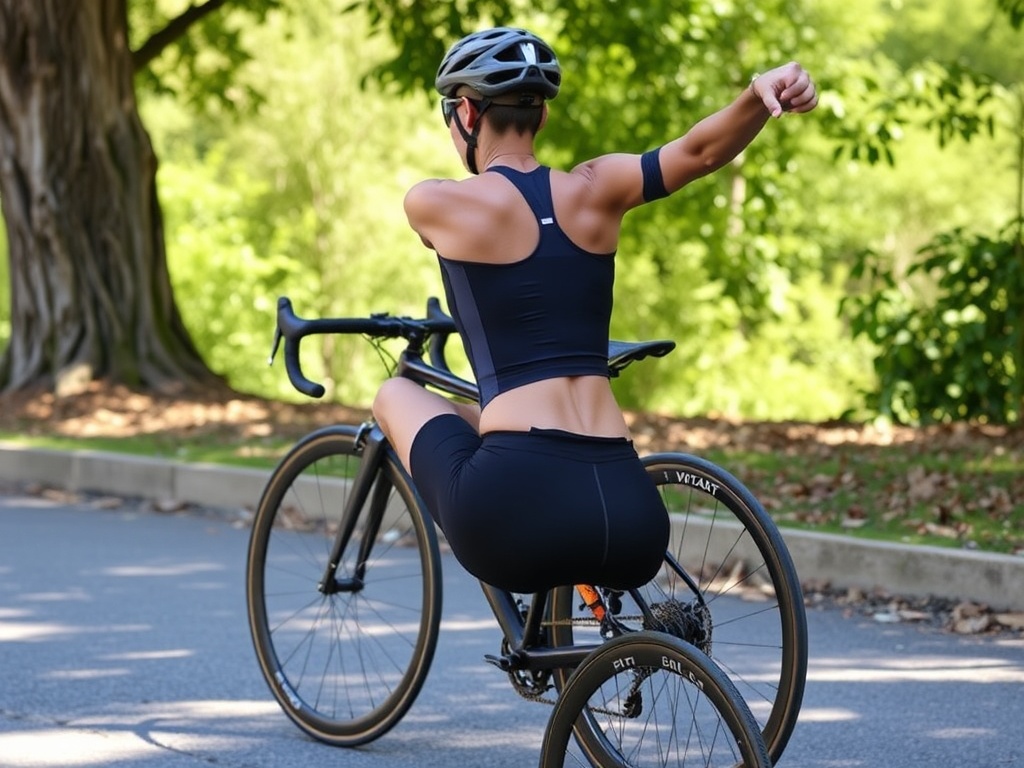
- Stretching and foam rolling: Incorporate flexibility exercises to improve muscle recovery and reduce tightness.
- Proper nutrition: Replenish your energy stores and repair muscle tissue with a balanced diet rich in protein, carbohydrates, and healthy fats.
By focusing on recovery, you'll improve your performance and reduce the risk of injury.
5. Nutrition and Hydration
Your nutrition plays a significant role in your cycling performance. Maintaining proper hydration and fueling your body with the right nutrients will ensure that you have the energy and endurance needed for long rides. Consider the following nutrition tips:
- Carbohydrates: Fuel your rides with carbohydrate-rich foods like pasta, rice, and energy bars.
- Protein: Consume protein after rides to help repair muscles and promote recovery.
- Electrolytes: Replace lost minerals like sodium, potassium, and magnesium during long rides by drinking sports drinks or using electrolyte supplements.
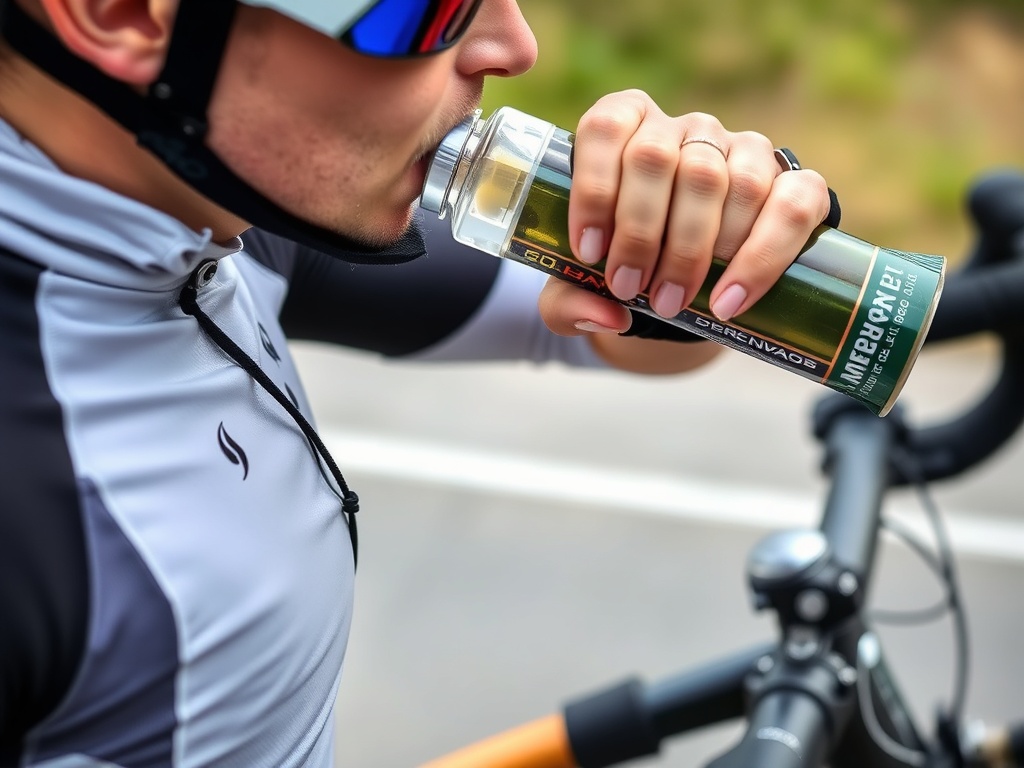
Hydration is also crucial; aim to drink at least 500ml of water per hour of cycling, and more if you're riding in hot conditions.
Conclusion
Improving your road cycling performance requires a combination of smart training, proper strength conditioning, and nutrition. By following the tips outlined in this guide, you'll become a more powerful and efficient cyclist, able to tackle any challenge that comes your way. Keep working hard, stay disciplined, and remember that every mile ridden is progress!