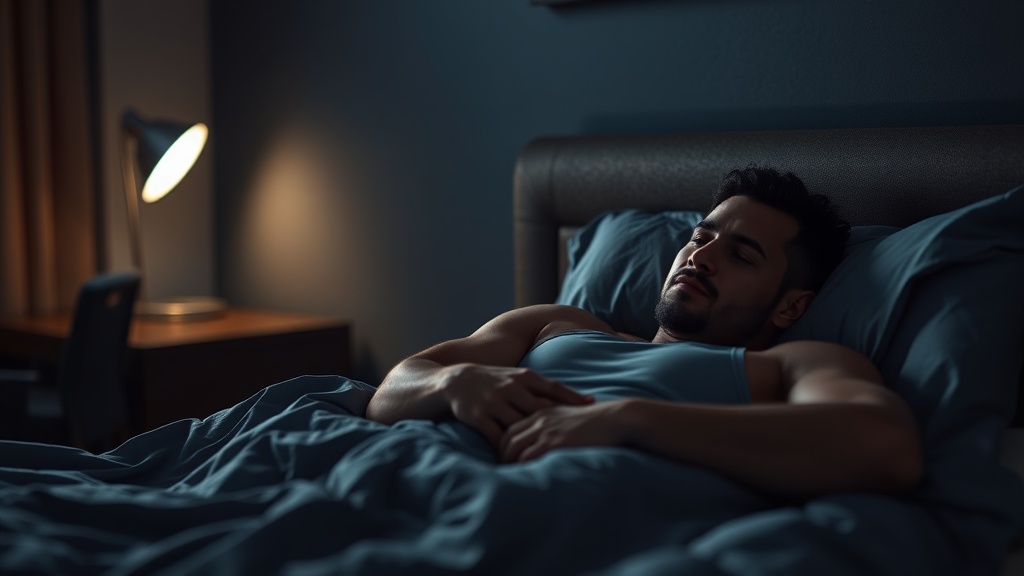
Optimize Your Sleep Hygiene for Faster Muscle Repair
You finish a brutal 100km ride through the rolling hills of Vancouver Island, your legs feel like lead, and you head straight to bed, only to wake up feeling even more exhausted. You've eaten the right macros and hit your wattage targets, but your recovery is lagging. This happens because muscle repair doesn't actually occur while you're pedaling; it happens while you sleep. This guide breaks down how to optimize your sleep hygiene to ensure your body actually builds the strength you're working so hard for during your training blocks.
Why is sleep important for muscle recovery?
Sleep is the primary window when your body releases growth hormone and repairs the microscopic tears in your muscle fibers caused by high-intensity cycling. When you aren't getting deep, restorative sleep, your cortisol levels stay elevated—which actually breaks down muscle tissue rather than building it up. It's a biological trade-off. If you skip sleep to squeeze in an extra zone 2 ride, you're often doing more harm than good.
The physiological process involves more than just "resting." During deep sleep cycles, your body performs intense protein synthesis. Without this, your power output will eventually plateau, regardless of how much you train. If you want to see real gains in your FTP (Functional Threshold Power), you need to treat your sleep with the same discipline you treat your training plan.
Think about it this way: training is the stimulus, but sleep is the actual building phase. You can't build a house with just a hammer and no wood; you need the materials provided during rest. For more on optimizing your physical output, check out my previous piece on how to improve your road cycling performance.
How much sleep do cyclists actually need?
Most competitive endurance athletes require between 7 and 9 hours of quality sleep per night to maintain peak physiological function. While a quick 6-hour nap might feel okay occasionally, chronic sleep deprivation is a fast track to overtraining syndrome.
The amount of sleep you need depends on your training volume and intensity. On a heavy interval day, your body's demand for repair is significantly higher than on a recovery spin day. I've found that tracking my sleep via a Garmin physiological monitoring or similar wearable helps me realize when I'm pushing too hard without enough rest. If your resting heart rate is climbing and your sleep quality is dropping, it's a red flag that you're under-recovering.
Here is a quick breakdown of sleep stages and what they do for a cyclist:
| Sleep Stage | Primary Function for Cyclists | Impact of Deprivation |
|---|---|---|
| Light Sleep | Metabolic regulation and memory consolidation. | Reduced focus and slower reaction times. |
| Deep Sleep (SWS) | Physical repair, growth hormone release, and tissue growth. | Muscle soreness, fatigue, and higher injury risk. |
| REM Sleep | Mental processing and neurological recovery. | Poor decision-making on descents and mental fatigue. |
What are the best ways to improve sleep quality?
You can improve your sleep quality by controlling your environment, managing your light exposure, and regulating your body temperature.
First, let's talk about the bedroom. Your room should be a cave—dark, cool, and quiet. If you're a light sleeper, a high-quality eye mask or blackout curtains aren't luxuries; they're tools. Even a small amount of light from a streetlamp can disrupt your circadian rhythm. I use a heavy blackout curtain in my home in Victoria because even a sliver of light can wake me up at 5:00 AM.
Temperature is a big one. Your core temperature needs to drop to initiate sleep. If you've just finished a high-intensity workout late in the evening, your body is still running hot. This can keep you in light sleep stages and prevent you from hitting that deep, restorative phase. A cool room (around 18°C or 65°F) is the sweet spot for most athletes.
Here's a checklist for your evening routine:
- Limit blue light: Put the phone away at least 60 minutes before bed. The blue light from screens inhibits melatonin production.
- Watch the caffeine: That post-ride espresso might feel good, but caffeine has a half-life of about 5-6 hours. If you drink it at 4:00 PM, half of it is still in your system at 10:00 PM.
- Post-ride nutrition: Don't go to bed hungry. A small, protein-rich snack can help with muscle repair, but avoid heavy, greasy meals that cause indigestion.
- Consistent Timing: Go to bed and wake up at the same time every day—even on weekends. This trains your body's internal clock.
It's also worth noting that your nutrition plays a massive role in how you feel the next morning. If you're fueling your long rides with highly processed sugars and then eating a massive, heavy meal right before bed, your digestion will keep you awake. You want to focus on complex carbohydrates and lean proteins to support sustained recovery.
"The difference between a good athlete and a great one is often found in the hours spent outside the training session."
I've seen plenty of riders spend thousands on carbon wheels and high-end electronic shifting, only to ignore the most effective recovery tool available: a mattress and a dark room. It's the cheapest "upgrade" you can make to your cycling kit.
If your legs feel particularly tight or your posture is suffering from a lack of recovery, you might want to look into using foam rolling and dynamic stretching to help loosen up before bed. It can help transition your nervous system from "fight or flight" (the sympathetic state) to "rest and digest" (the parasympathetic state).
Don't underestimate the power of a consistent wind-down. If you're constantly riding at 100% intensity, your nervous system stays "wired." You need to actively signal to your brain that the training day is over. This could be a gentle way of stretching, a warm bath, or simply reading a physical book. Whatever works, just get away from the screens.
The goal isn't just to sleep more—it's to sleep better. A 7-hour sleep session with high levels of deep sleep is vastly superior to 9 hours of tossing and turning due to a warm room and a glowing smartphone. Treat your sleep as a non-negotiable part of your training block. Your power meter will thank you.