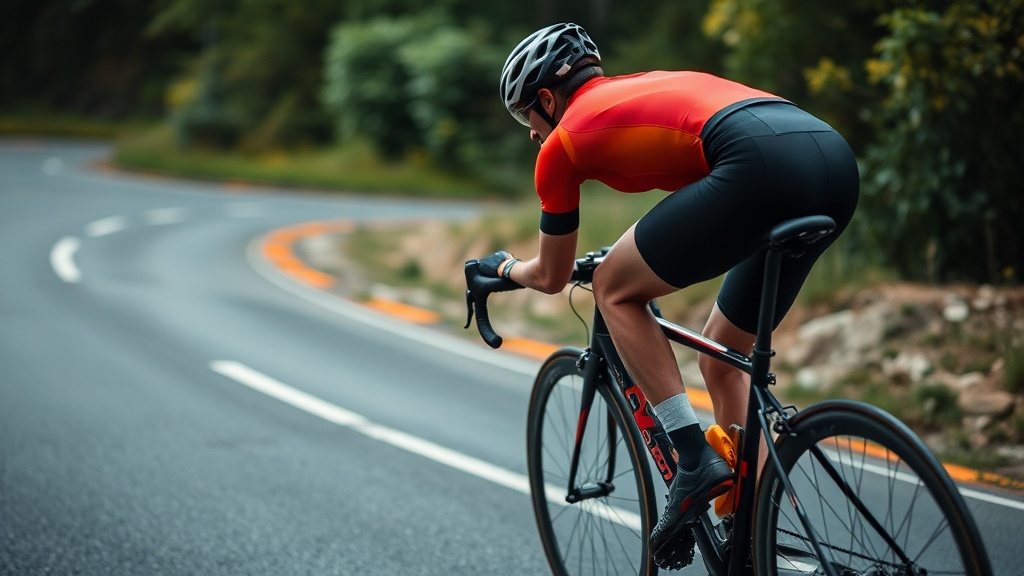
Preventing Muscle Cramps During Long Endurance Rides

What You'll Learn About Preventing Muscle Cramps
This post covers the mechanics of muscle cramping during endurance cycling and provides actionable steps to keep your legs moving when the fatigue sets in. You'll learn about the relationship between electrolyte balance, hydration, and neuromuscular fatigue so you can finish your longest rides without the sudden, painful contractions that force you to stop.
Cramping isn't just an annoyance; it can end a race or a training block prematurely. Whether you're climbing a steady grade or sprinting for a finish line, a sudden cramp can be debilitating. Most riders assume it's just a lack of salt, but the reality is often more complex. It's a combination of how your body handles heat, how much you actually hydrate, and how much physical stress your nervous system can take before it short-circuits.
Why Do My Legs Cramp During Long Rides?
The traditional view is that cramps are caused solely by a lack of sodium. While sodium deficiency plays a role—especially in heavy sweaters—modern research suggests that neuromuscular fatigue is a massive factor. When your muscles work at high intensities for extended periods, the motor neurons that control muscle contraction can become overexcited. This leads to involuntary, intense contractions.
Think of it as a communication error between your brain and your legs. If you're pushing high watts on a long climb and haven't rested your nervous system, your muscles might simply be exhausted. This is why even if you're drinking plenty of water, you might still experience a cramp. It's not just about the fluids in your stomach; it's about the fatigue in your fibers.
Another factor is heat stress. When your core temperature rises, your body prioritizes cooling itself down, which can affect blood flow to your working muscles. This shift can lead to a localized imbalance in how nutrients and oxygen reach your legs. If you're riding in Victoria during a warm afternoon, you're fighting both the heat and the physical demand of the ride simultaneously.
How Much Sodium Do I Actually Need?
There is no single number that works for everyone, but understanding your sweat rate is a good starting point. If you finish a ride and your jersey is stiff with salt stains, you are a heavy sweater. In these cases, plain water isn't enough. Drinking too much plain water can actually dilute your blood sodium levels—a condition known as hyponatremia—which is dangerous and can actually induce more cramping.
To get this right, you should look at adding electrolytes to your bottles. A mix of sodium, potassium, magnesium, and calcium helps maintain the electrical signals required for muscle contraction. You can find detailed guidance on electrolyte-rich foods and hydration through resources like the Healthline nutrition guides, which explain how these minerals function in the body.
- Sodium: The primary electrolyte lost in sweat. It helps maintain fluid balance.
- Potassium: Works with sodium to regulate cell function and muscle contraction.
- Magnesium: Crucial for muscle relaxation and nerve function.
Don't wait until you feel a twinge to start sipping. Proactive electrolyte intake is much more effective than reactionary intake. If you feel the first sign of a cramp, you've likely already missed the window to prevent it easily.
Can I Prevent Cramps by Changing My Training?
If you find yourself cramping every time you hit a certain power output or duration, your base fitness might be the culprit. If your muscles aren't conditioned for the specific load you're putting on them, they will fatigue faster, leading to that neuromuscular breakdown mentioned earlier. A more gradual build-up in volume and intensity can help train your muscles and nervous system to handle longer durations of stress.
Strength training is another way to build a more resilient body. Developing the strength of your glutes, quads, and calves through resistance training helps ensure that your cycling-specific muscles aren't doing all the heavy lifting. A stronger muscle is often a more fatigue-resistant muscle. You can look at programs from Strength Level to understand how different types of resistance training can build a foundation for athletic performance.
| Strategy | Implementation | Goal |
|---|---|---|
| Electrolyte Supplementation | Add salt/minerals to water | Maintain electrical signals |
| Consistent Hydration | Sip regularly, don't wait for thirst | Prevent dehydration-induced fatigue |
| Strength Training | Include lower body resistance work | Increase fatigue resistance |
| Heat Acclimation | Gradual exposure to warmer rides | Improve thermoregulation |
Lastly, don't ignore your recovery. If you aren't sleeping or eating enough during the week, your body's ability to recover from a ride is compromised. A fatigued body is a cramping body. If you're constantly riding on the edge of exhaustion, you're setting the stage for a mid-ride meltdown. Make sure your nutrition isn't just focused on the ride itself, but also on the 24 hours following it.