
The One Habit That Instantly Improves Your Road Cycling Endurance

Quick Tip
Ride at a consistent, moderate effort without surging—smooth, steady output builds endurance faster than inconsistent intensity.
Most riders overcomplicate endurance. They chase marginal gains, buy lighter gear, tweak tire pressure, and obsess over FTP numbers. None of that matters if you ignore the single habit that consistently separates strong riders from everyone else: riding steady, controlled effort for longer than you think you can.
This is not glamorous training. It won’t spike your heart rate or give you a satisfying Strava trophy. But it works—reliably, predictably, and over the long term.

The Tip: Master Steady-State Riding
If you only change one thing in your riding, make it this: learn to hold a consistent, moderate effort for extended periods without drifting.
That means no surging up small hills, no coasting unnecessarily, and no ego-driven accelerations when someone passes you. Just smooth, uninterrupted effort.
This is where endurance is actually built—not in short bursts, but in sustained output.
What “steady” actually means
Steady doesn’t mean easy. It means controlled. You should be riding at a pace where:
- You can speak in short sentences but not hold a full conversation
- Your breathing is rhythmic, not labored
- Your power or speed doesn’t fluctuate wildly
For most riders, this lands somewhere in Zone 2 to low Zone 3. It’s the range people skip because it feels “too easy” to be effective—but it’s exactly where the real gains happen.
Why This Works (Even If It Feels Boring)
Your body adapts specifically to the stress you apply. Short, intense efforts train your ability to suffer briefly. Long, steady efforts train your ability to sustain.
When you ride steady:
- You improve mitochondrial density (your muscles’ energy factories)
- You become more efficient at burning fat for fuel
- You reduce energy waste from constant accelerations
- You build mental discipline to hold effort under fatigue
This is why experienced riders look smooth and effortless—they’re not necessarily stronger in bursts, they’re just better at maintaining output without spikes.
The Biggest Mistake Riders Make
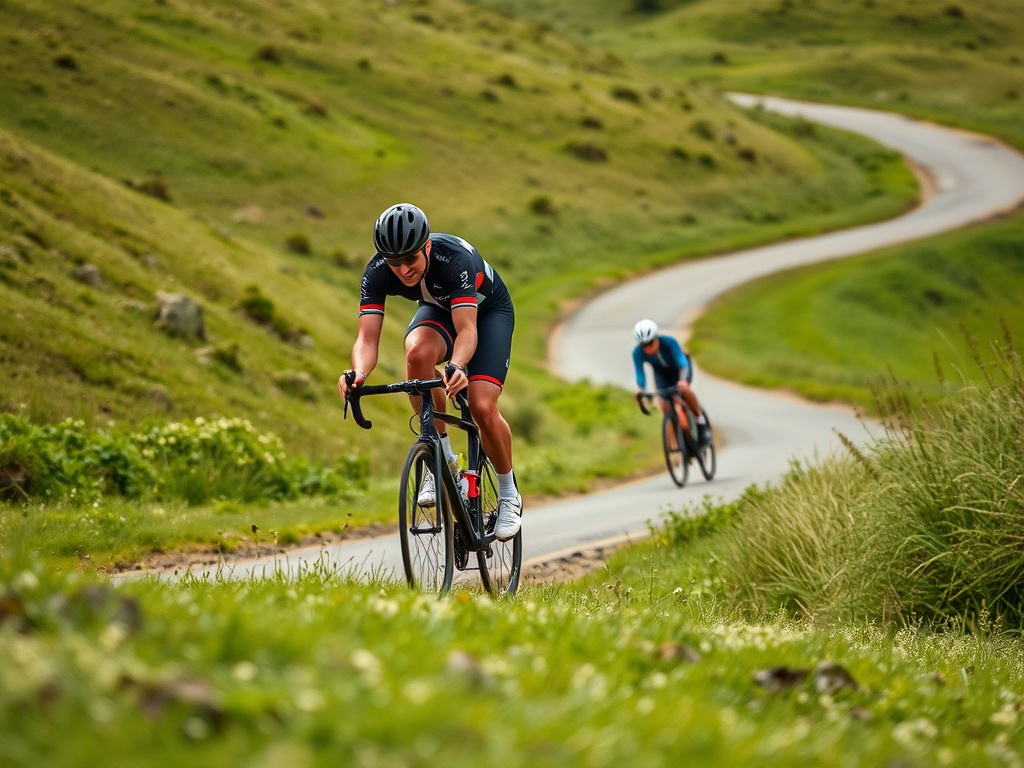
Most cyclists turn every ride into a series of mini intervals without realizing it.
They surge out of corners, push hard on climbs, then soft-pedal to recover. It feels productive, but it creates a stop-start pattern that limits endurance development.
Worse, it teaches your body the wrong lesson: how to recover frequently instead of how to sustain effort.
How to Actually Apply This on Your Next Ride
Start simple. On your next ride, pick a stretch—30 to 60 minutes—and commit to riding it at a steady effort.
Focus on these cues:
- Cadence: Keep it consistent (usually 85–95 RPM)
- Effort: Avoid spikes, especially on small climbs
- Mindset: Think “smooth and continuous,” not “fast”
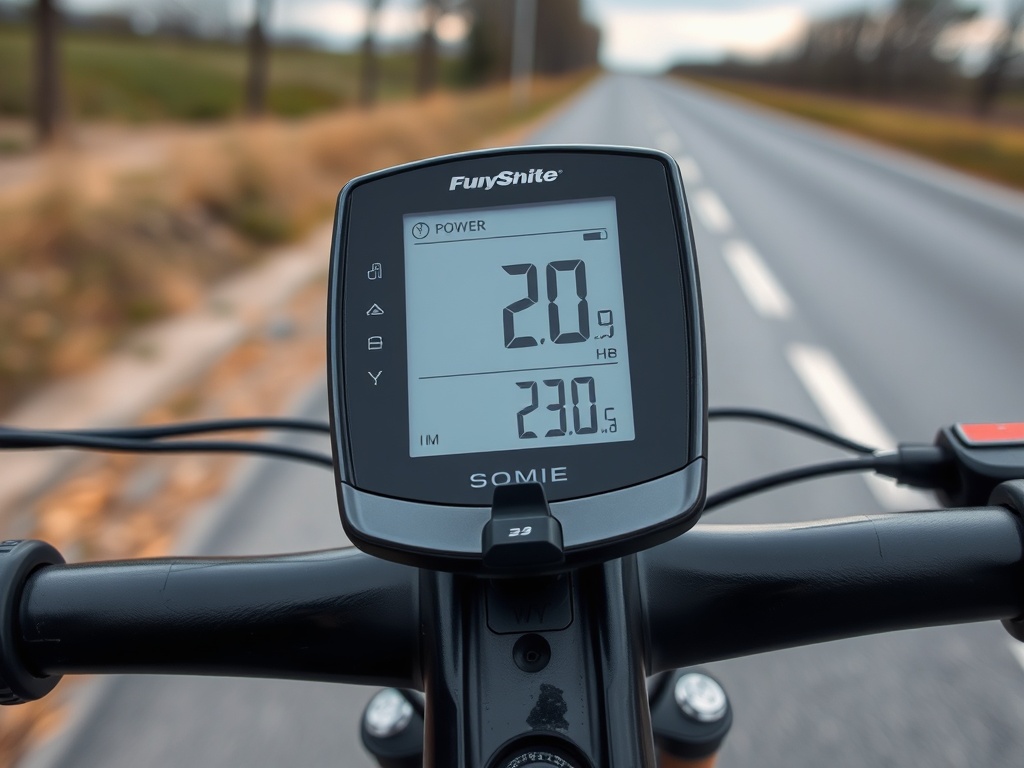
If you have a power meter, aim for a narrow band (±5–10 watts). If you don’t, use perceived effort—your breathing is a reliable guide.
On climbs
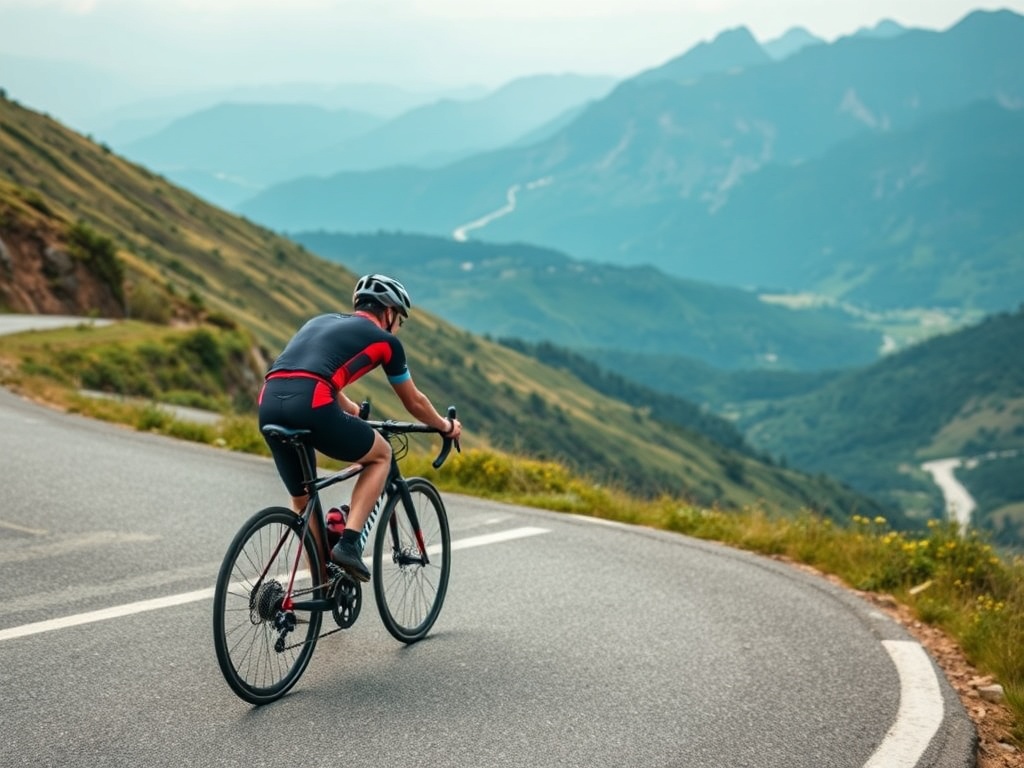
Shift early and spin. Most riders burn matches here by pushing too hard. Your goal is to keep the effort the same, not the speed.
On descents
Don’t completely switch off. Light pedaling keeps the system engaged and prevents the ride from becoming interval-based.
What Happens After 4–6 Weeks
If you stick with this habit, the changes show up quietly but clearly.
- You finish rides feeling strong instead of drained
- Your average speed increases without extra effort
- Climbs feel more manageable at the same heart rate
- You recover faster between rides
The biggest shift is subtle: you stop fighting the bike and start flowing with it.
The Mental Side Most People Ignore
Holding steady effort is as much psychological as it is physical.
You’ll feel the urge to push harder. You’ll want to chase faster riders. You’ll get bored.
That’s the point.
Endurance is built by resisting those impulses and staying disciplined. It’s not exciting—but it’s effective.

When to Use This (And When Not To)
This habit should form the backbone of most of your riding, but not all of it.
Use steady-state riding for:
- Base training periods
- Long weekend rides
- Recovery-focused weeks
Layer in intensity sparingly—intervals, sprints, and hard group rides still matter. But without a steady foundation, they don’t stick.
The Bottom Line
If your endurance has plateaued, it’s probably not because you need a new training plan. It’s because your effort is too inconsistent.
Smooth out your rides, hold steady effort, and let time do the work.
It’s not flashy. It won’t impress anyone watching your ride stats. But it’s the habit that quietly turns average riders into strong ones.