Why Your Power Output Drops During Long Climbs

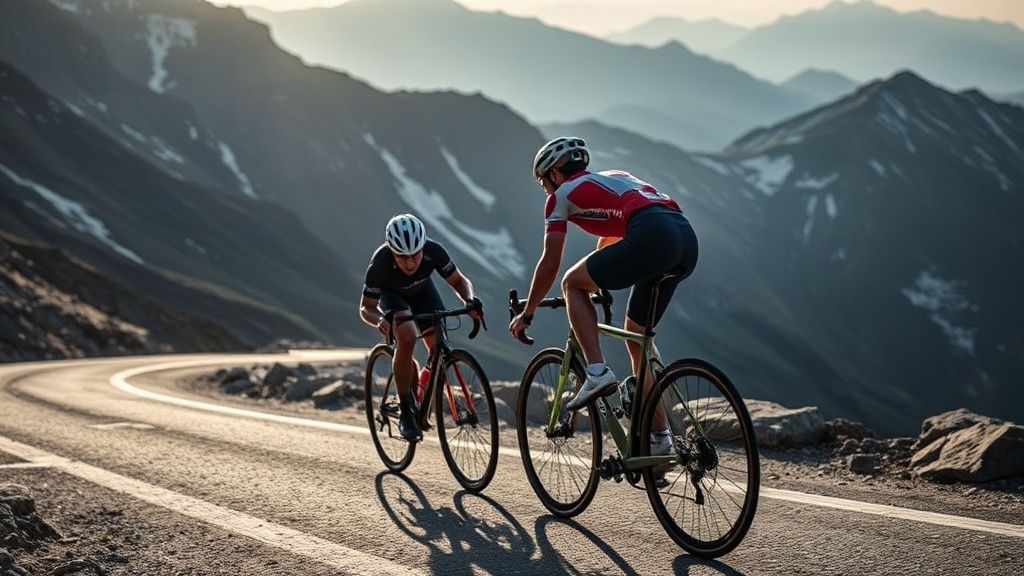
You're halfway through a brutal ascent, perhaps on a climb like Mont Ventoux or a local grind in the Rockies. Your legs feel heavy, your breathing is ragged, and despite pushing a harder gear, your wattage is plummeting. This isn't just a lack of willpower; it's a physiological reality often driven by poor fueling, inefficient cadence, or a lack of metabolic flexibility. Understanding why your power fades helps you prevent it from happening during your next big ride.
Why does my power fade halfway up a climb?
The most frequent culprit is a lack of glycogen availability. Your body relies on carbohydrates to fuel high-intensity efforts. If you haven't been consuming enough grams of carbs per hour, your muscles run out of the primary fuel source needed for climbing. Even if you've eaten a big breakfast, your liver and muscle glycogen stores are finite. Without constant replenishment, you hit a wall—often called "bonking."
Another factor is muscular fatigue from high torque. If you spend the entire climb grinding at a low cadence (60-70 RPM), you're placing immense stress on your Type II muscle fibers. These fibers fatigue much faster than the more efficient Type I fibers used for steady-state riding. This mechanical stress leads to metabolic byproduct buildup, which slows down muscle contraction. You can find more about the physiological demands of cycling intensity through the TrainingPeaks resource library.
Can I improve my climbing endurance with better fueling?
Fueling isn't just about eating a candy bar when you feel dizzy; it's about a systematic approach to carbohydrate intake. Most endurance athletes should aim for 60 to 90 grams of carbohydrates per hour during intense efforts. This can be a mix of glucose and fructose to maximize absorption through different intestinal transporters.
- Liquid Nutrition: Easier on the stomach when your heart rate is high.
- Gels: Great for quick hits of energy during steep sections.
- Solid Foods: Best used in the first half of a ride before your digestion slows down.
If you wait until you feel hungry or weak, you've already lost the battle. The goal is to stay ahead of the deficit. Relying on Cycling Weekly articles on nutrition can offer more specific breakdowns of caloric needs, but the fundamental rule remains: feed the engine constantly.
How do I prevent leg fatigue on steep gradients?
To keep your legs fresh, you need to balance your power-to-weight ratio with technical skill. While a lighter bike helps, your ability to manage your cadence is what keeps you from redlining too early. Aiming for a slightly higher cadence (85-95 RPM) shifts the load from your muscular system to your cardiovascular system. While your lungs might burn more, your leg muscles will stay functional for much longer.
Additionally, watch your pacing. Many riders make the mistake of attacking the first few kilometers of a climb at a much higher intensity than they can sustain. This creates an oxygen debt that is nearly impossible to repay once you've reached a high level of fatigue. Instead, start at a level that feels sustainable—perhaps 85-90% of your FTP—and only increase the effort in the final third of the climb.
Consider these three strategies for better climbing management:
- Monitor your cadence: Don't let it drop below 80 RPM, even when the gradient gets steep.
- Check your breathing: If you can't speak a short sentence, you're working too hard to sustain for a long climb.
- Pre-load carbohydrates: Ensure you have full glycogen stores before the climb begins.
It's also worth looking at your seated vs. standing position. Standing on the pedals can provide a temporary boost in power, but it also increases your heart rate and uses more energy. Use the standing position for short bursts or to change your muscle engagement, but return to a seated position to conserve energy for the long haul.
| Factor | Impact on Climbing | Correction Strategy |
|---|---|---|
| Cadence | High Torque/Muscle Fatigue | Increase RPM to 85-95 |
| Nutrition | Glycogen Depletion | 60-90g Carbs/Hour |
| Pacing | Early Redlining | Start at 8-10% below FTP |
When you're deep in the pain cave, it's easy to forget that your brain is also part of the equation. Mental fatigue can make the physical sensation of climbing feel much more taxing than it actually is. Staying focused on a rhythm—rather than the peak of the mountain—can help you manage the psychological load of a long ascent.