Use Foam Rolling and Dynamic Stretching to Fix Cycling Posture

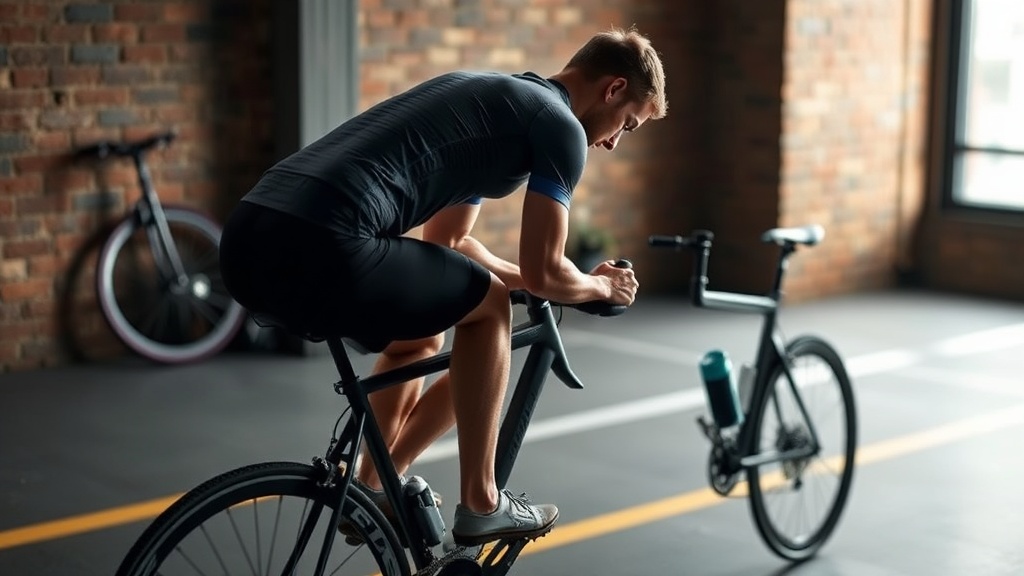
A cyclist is halfway through a three-hour training ride when they notice their upper back feels like it's being compressed by a heavy weight. Their neck starts to ache, and their lower back begins to throb—a sign that their posture has collapsed under fatigue. This isn't just about discomfort; it's about efficiency and long-term injury prevention. This post explains how to use foam rolling and dynamic stretching to correct cycling-induced postural issues and keep your body in a functional position.
Cycling forces the body into a repetitive, hunched position. We spend hours with our hips flexed and our thoracic spine rounded. Over time, this creates tight hip flexors and a stiff upper back. If you don't address these imbalances, you'll likely face neck pain, lower back issues, and a loss of power. You can fix this by integrating targeted myofascial release and movement-based stretching into your routine.
Why Does My Back Hurt After a Long Ride?
Back pain during or after cycling usually stems from a combination of tight hip flexors and a lack of thoracic mobility. When you sit in a tucked position, your hip flexors shorten, which pulls on your pelvis and creates tension in your lower back. At the same time, your upper back (the thoracic spine) becomes stiff, forcing your neck to compensate to keep your head upright.
To combat this, you need to target three specific areas: the thoracic spine, the hip flexors, and the glutes. Using a tool like the TriggerPoint GRID Foam Roller can help release the fascia surrounding these muscles. It isn't just about "massaging" the muscle; it's about breaking up adhesions that limit your range of motion.
The Role of Foam Rolling
Foam rolling is a form of self-myofascial release. It helps desensitize the nervous system and increases blood flow to the tissue. For cyclists, this is a game-changer for recovery. You aren't just rolling for fun—you're actually resetting the tension in your muscles.
Common Areas to Roll:
- Thoracic Spine: Rolling the upper and middle back helps counteract the "rounded shoulder" look.
- Quadriceps and IT Band: Tight quads can pull on your hips, affecting your pedal stroke.
- Glutes: Strong glutes are the engine of your ride, but they can get incredibly tight and "sleepy" during long climbs.
When rolling, don't just bounce around. Move slowly. If you find a "hot spot"—that one spot that feels particularly tender—hold the pressure there for about 30 seconds. It might feel a bit intense (and it probably will), but that's where the work happens.
How Do I Use Foam Rolling to Improve My Posture?
You improve posture through foam rolling by targeting the muscles that pull you into a "hunched" position and the muscles that have become too tight from repetitive motion. You should perform these movements after your ride or on rest days when your muscles are already warm.
Here is a structured approach to a post-ride recovery session:
- Thoracic Extension: Place the roller horizontally under your shoulder blades. Support your head with your hands and gently lean back over the roller. This opens up the chest and mid-back.
- Glute Release: Sit on the roller and tilt your weight toward one side. Use your hands for support and roll the fleshy part of your hip.
- IT Band/Lateral Quad: Lie on your side and roll from just below the hip to just above the knee. This is notoriously painful, but it helps prevent that "tight" feeling in the legs.
If you're serious about your recovery, you might want to look at myofascial release techniques to understand the science behind why this works. It's not magic—it's biology.
While rolling handles the "stiff" tissue, dynamic stretching handles the "movement" aspect. If you only roll but never move, you'll remain stiff. You need to teach your body how to move through a full range of motion again.
What Are the Best Dynamic Stretches for Cyclists?
Dynamic stretching involves moving through a range of motion rather than holding a static position. For cyclists, these movements are much more effective at "waking up" the body and improving functional mobility than traditional, stationary stretches.
Unlike static stretching—which is great for cooling down—dynamic stretching is about active movement. It helps reintegrate the muscles and the nervous system. You can check out the difference between dynamic and static stretching to see why timing matters.
| Exercise | Target Area | Benefit for Cyclists |
|---|---|---|
| Cat-Cow | Spine/Core | Improves spinal fluidity and reduces mid-back stiffness. |
| World's Greatest Stretch | Hips/Thoracic/Hamstrings | A total body opener that hits almost every major tight spot. |
| Leg Swings | Hip Flexors/Hamstrings | Increases hip mobility for a more efficient pedal stroke. |
| Thoracic Rotations | Mid-Back | Helps with upper body rotation and breathing capacity. |
The "World's Greatest Stretch" is a personal favorite. It's a complex movement that involves a deep lunge, a rotation of the torso, and a hamstring stretch. It's a lot to learn, but it's incredibly effective for anyone who spends hours in a bent-over position. It forces your hips to open up while simultaneously rotating your thoracic spine.
If you're looking to take your training to the next level, you might find that improving your road cycling performance requires more than just more miles—it requires better movement quality. A body that can move freely is a body that can produce more power.
A Note on Consistency
You can't just do this once and expect to be cured. Posture is a result of thousands of hours of repetitive movement. One 15-minute session won't undo years of sitting in a road bike. You need to make this a habit. Whether it's 10 minutes after a ride or a dedicated session on Sunday, consistency is everything.
Don't overdo it. If you're rolling so hard that you're bruising, you're doing it wrong. The goal is to signal the nervous system to relax, not to punish yourself. If you feel sharp pain, stop immediately. We're looking for "productive discomfort," not actual injury.
Think of your body like a bike. If your chain is rusty and your derailleur is bent, you're going to lose energy. Your body is the same. If your "mechanics"—your muscles and joints—are out of alignment, you're wasting watts. Using a foam roller and dynamic stretching is essentially your way of "tuning" your body.
Many riders focus solely on their power numbers or their FTP. While those are important, they don't matter much if you're too uncomfortable to finish a race. A better posture leads to better breathing, better oxygen intake, and ultimately, a better ride. It's a simple connection that many people overlook.
If you're currently struggling with a specific ache, try focusing on the hip flexors first. Most cyclists have incredibly tight hip flexors due to the constant flexion of the hip during the pedal stroke. If those are tight, they'll pull your pelvis out of position, and your lower back will take the hit. It's a chain reaction.
As you get better at sensing your body, you'll start to notice how much your posture affects your ride. You'll notice when your shoulders are creeping up toward your ears and when your lower back starts to round. That awareness is the first step to fixing it.
Steps
- 1
Identify Tightness Zones
- 2
Apply Targeted Foam Rolling
- 3
Execute Dynamic Stretching
- 4
Integrate Post-Ride Routine